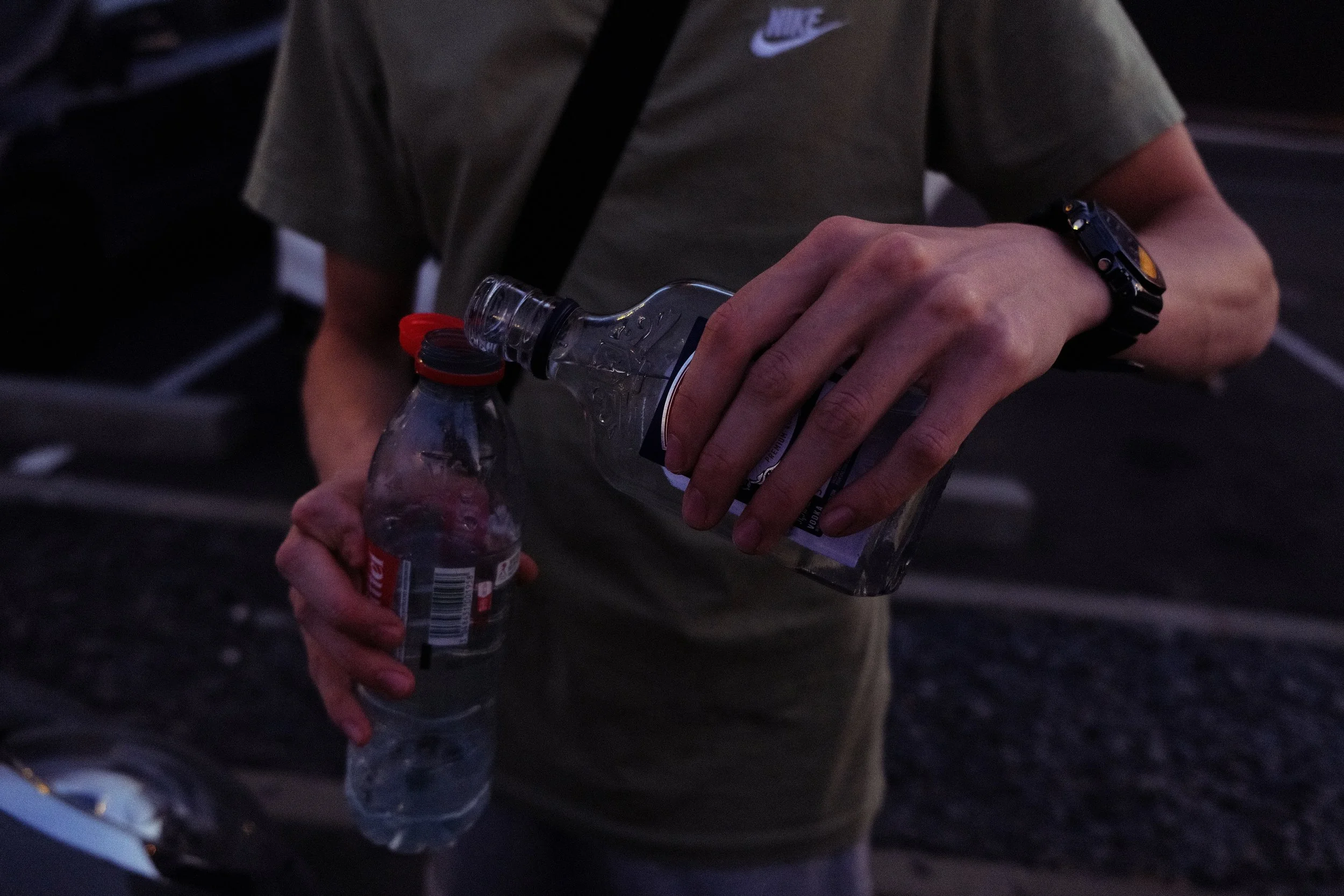
In France, certain experiences cut across youth regardless of background: 80.6% of 17-year-olds have already consumed alcohol, and more than a third have experienced an episode of binge drinking. Around 30% have tried cannabis. Contrary to stereotypes, these behaviors are not limited to disadvantaged neighborhoods. Among children of immigrants, alcohol-related problems even increase across generations, revealing a more diffuse tension: that of finding one’s place in a society in which one sometimes feels invisible.
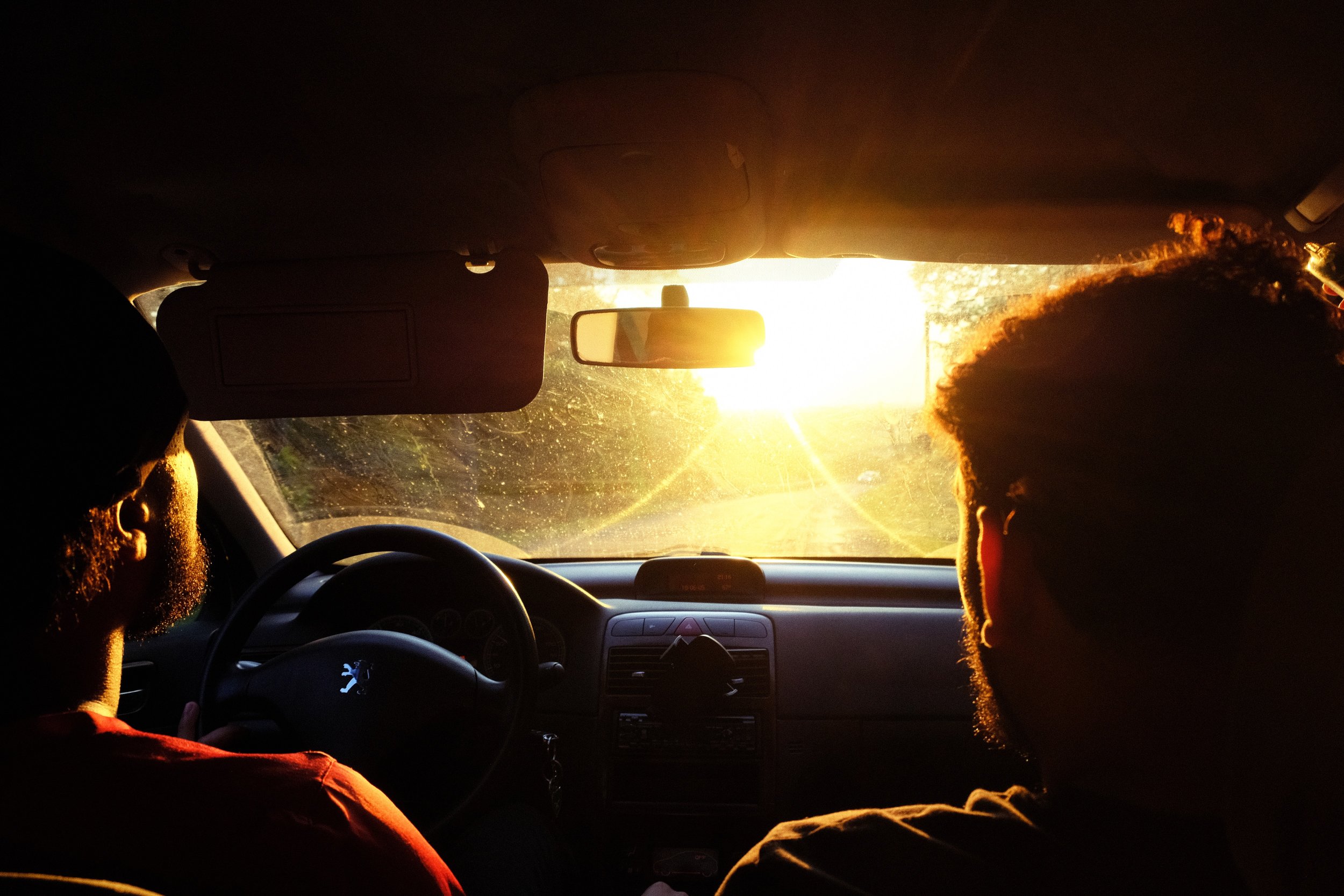
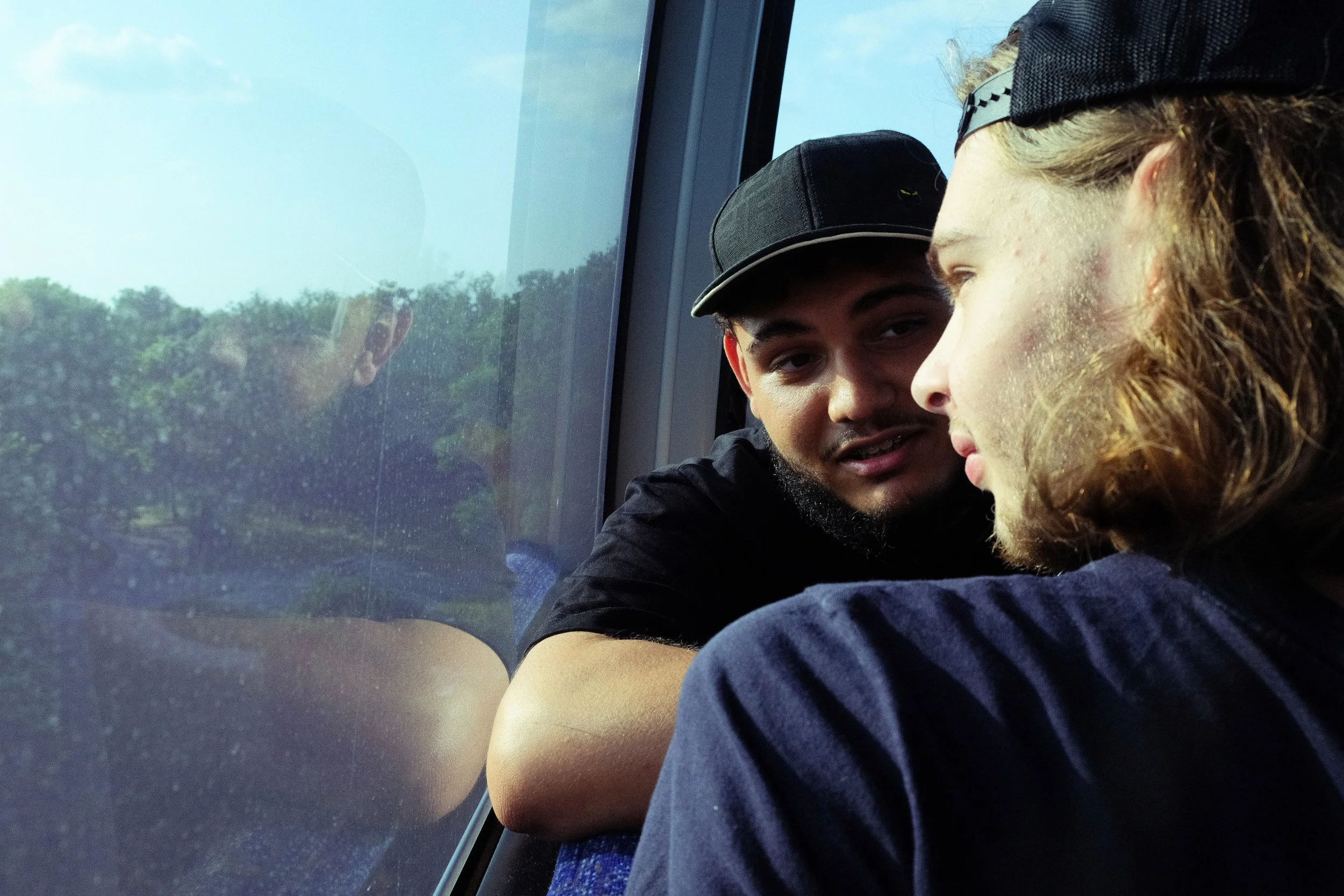
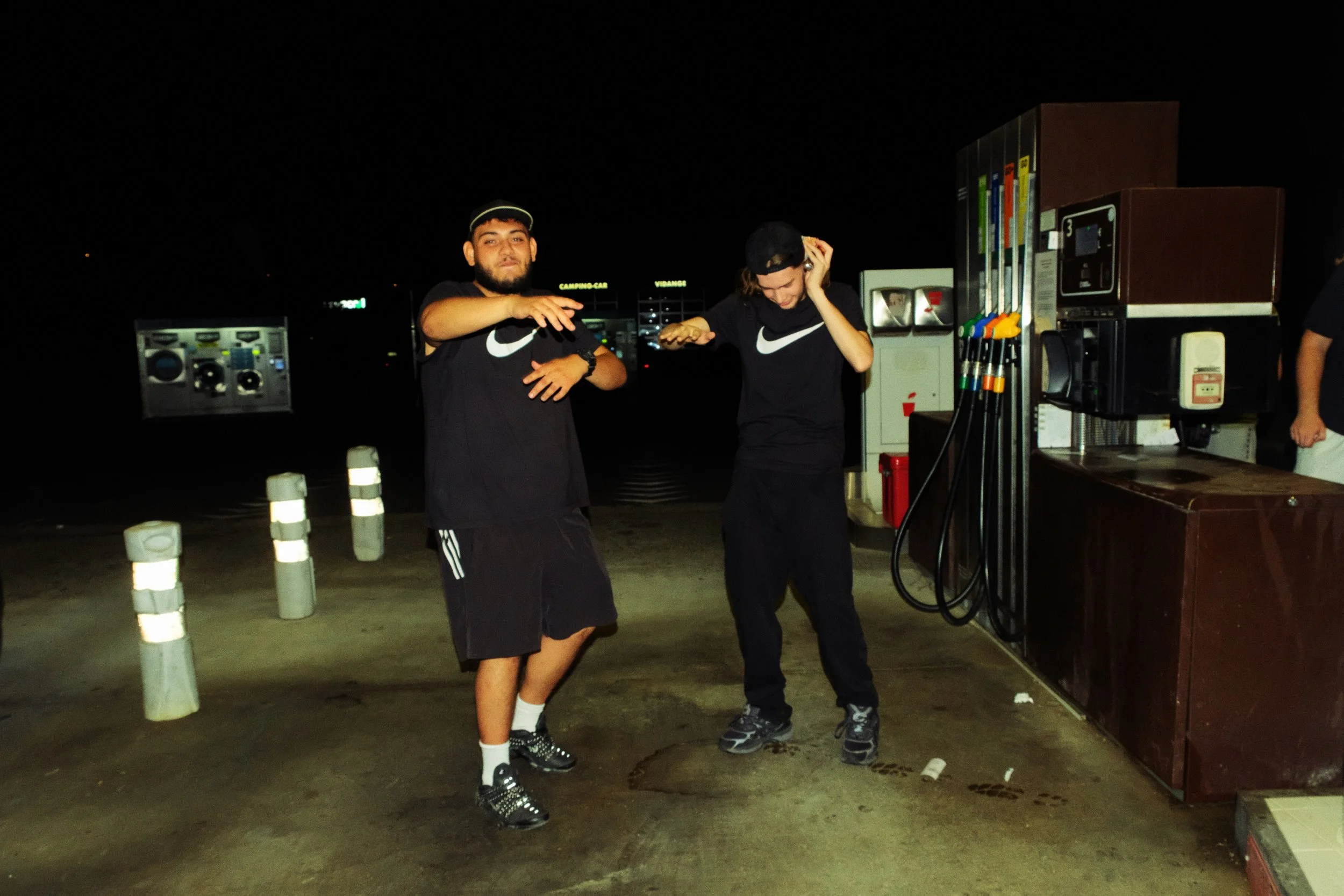
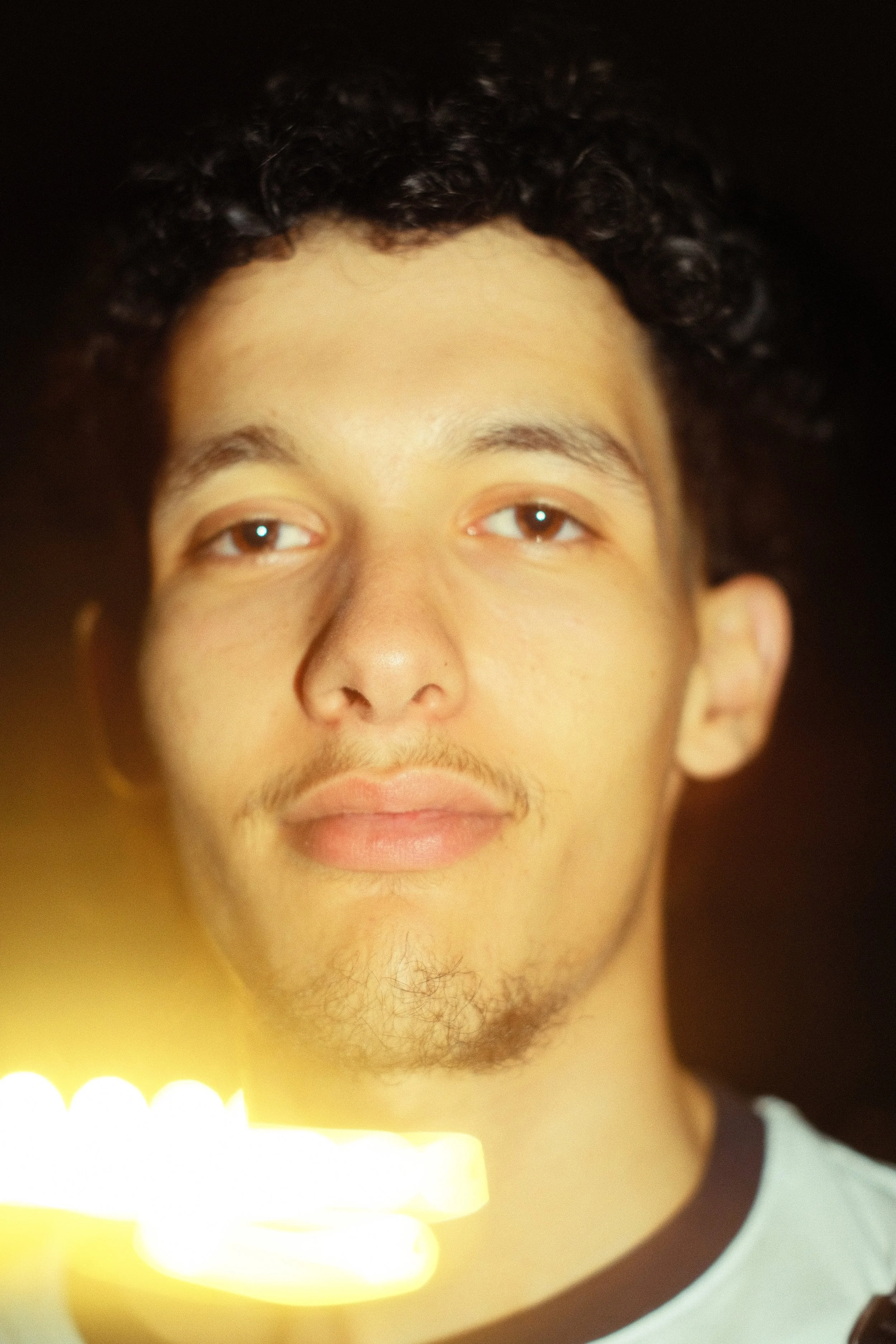
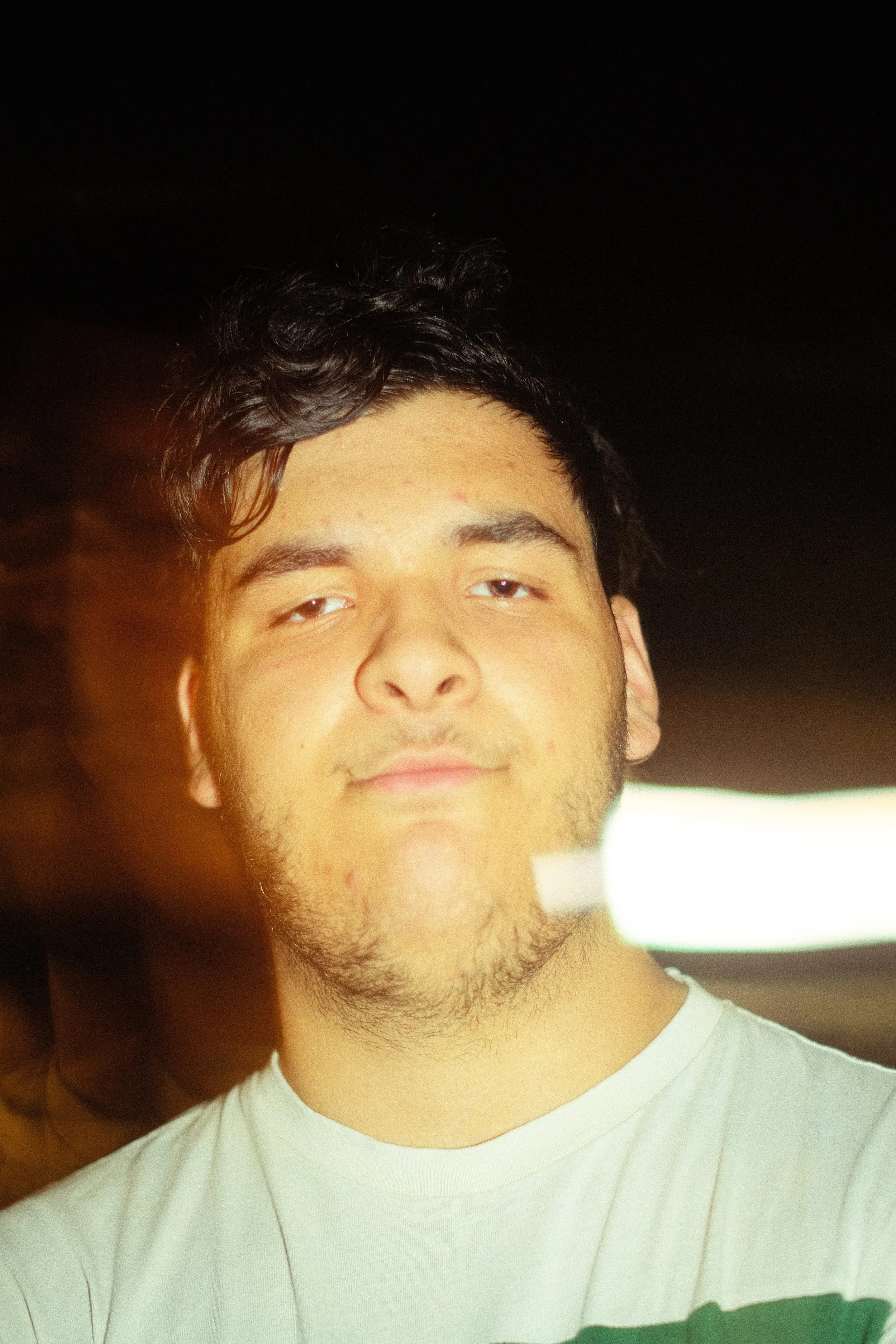
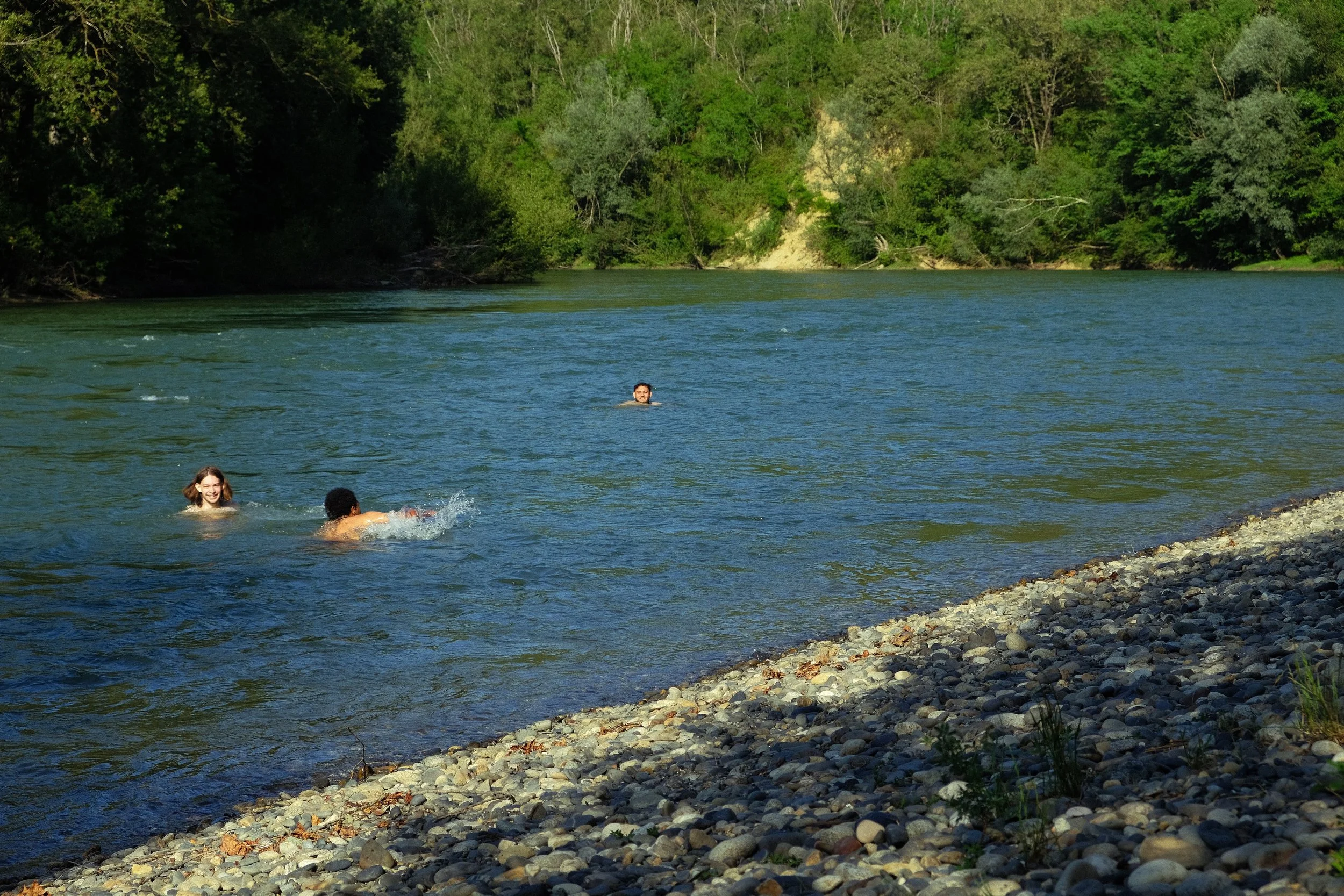
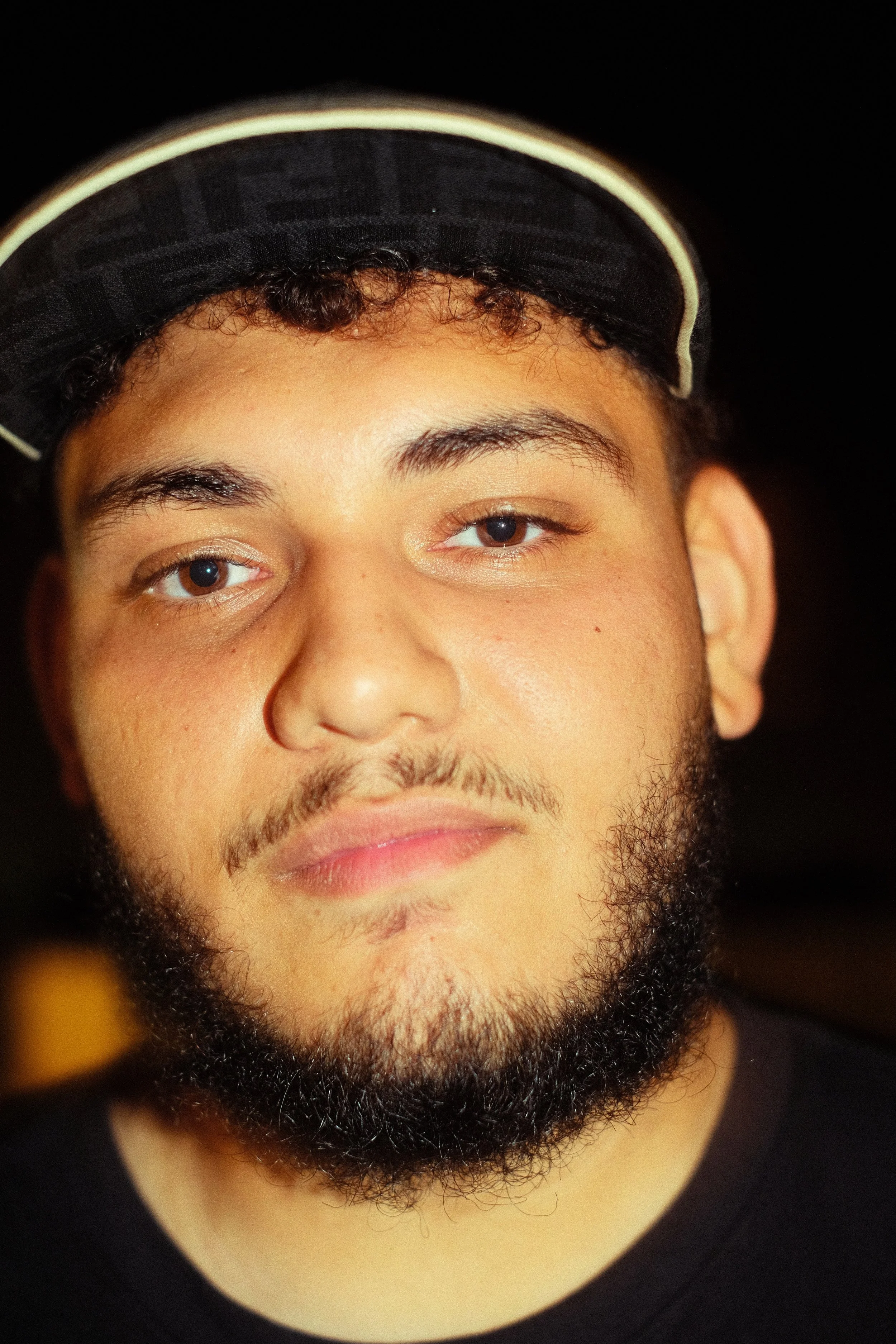
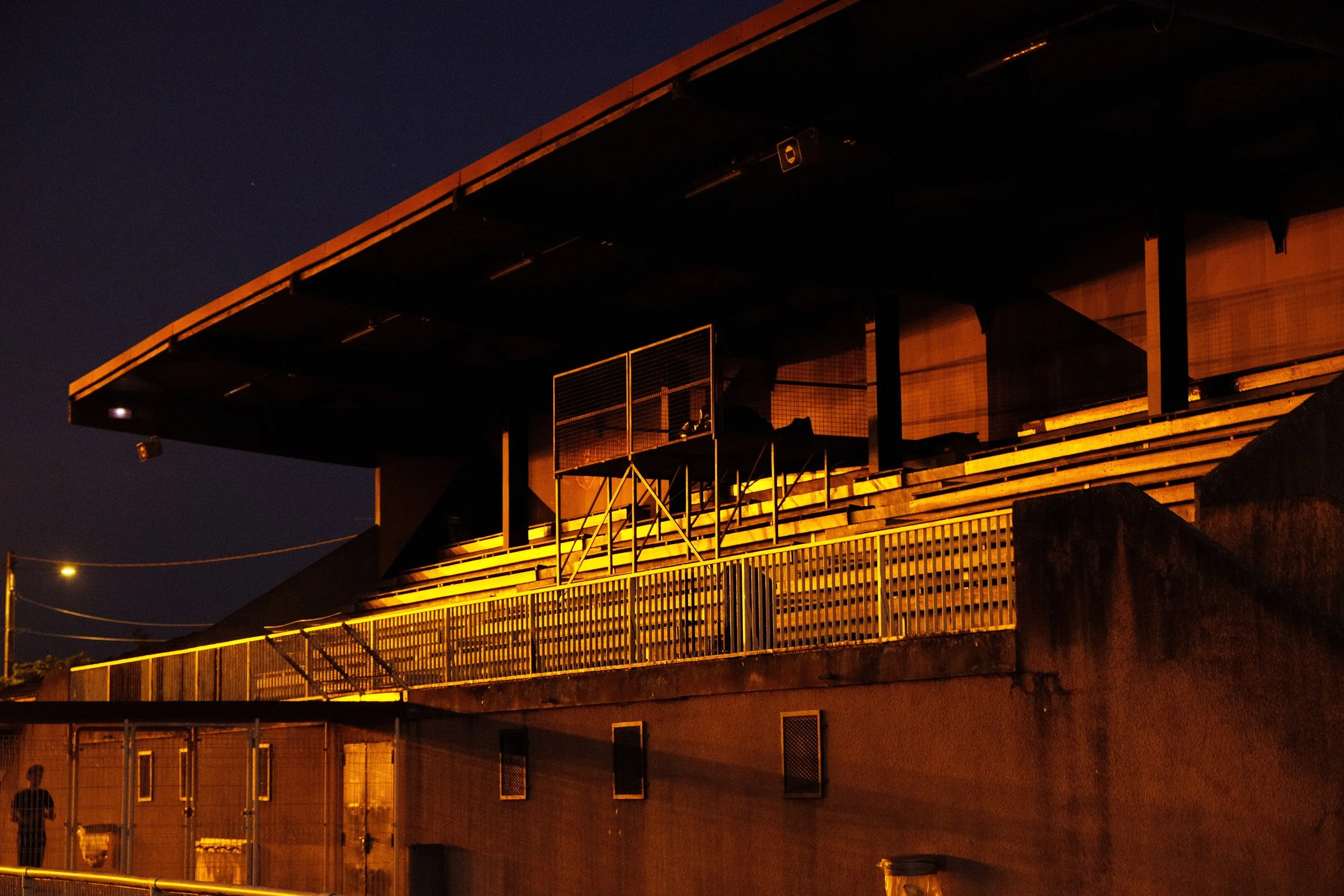
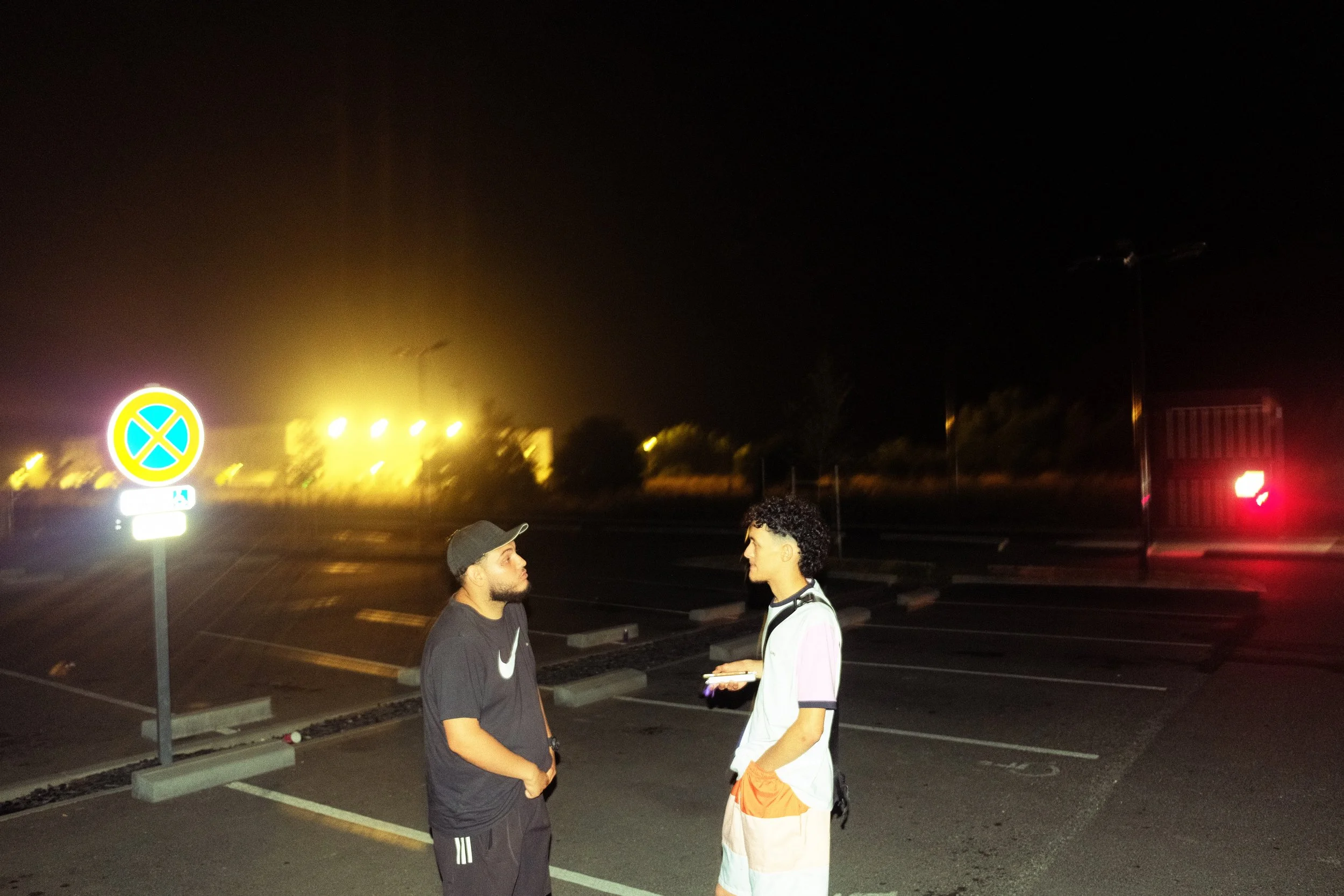
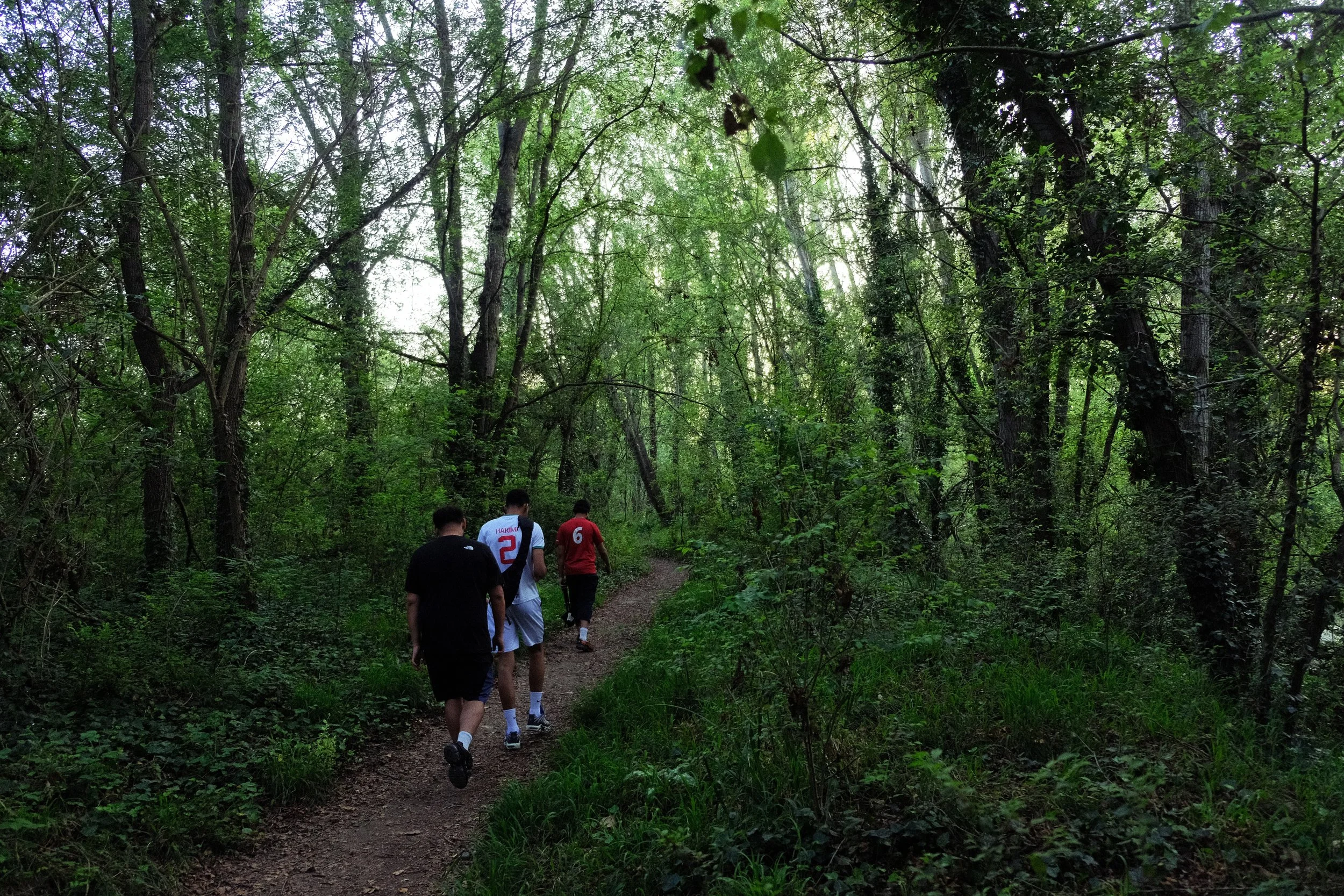
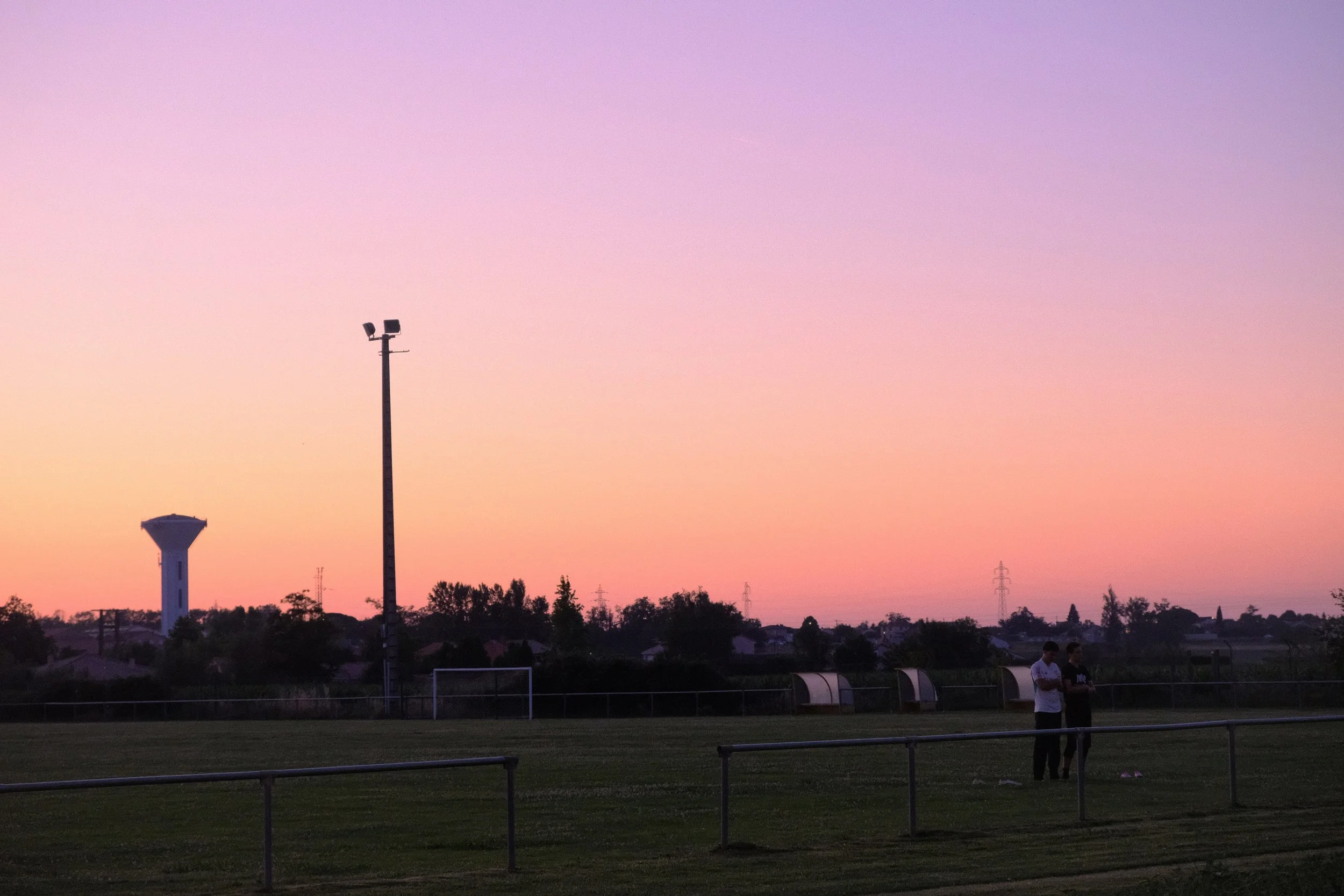
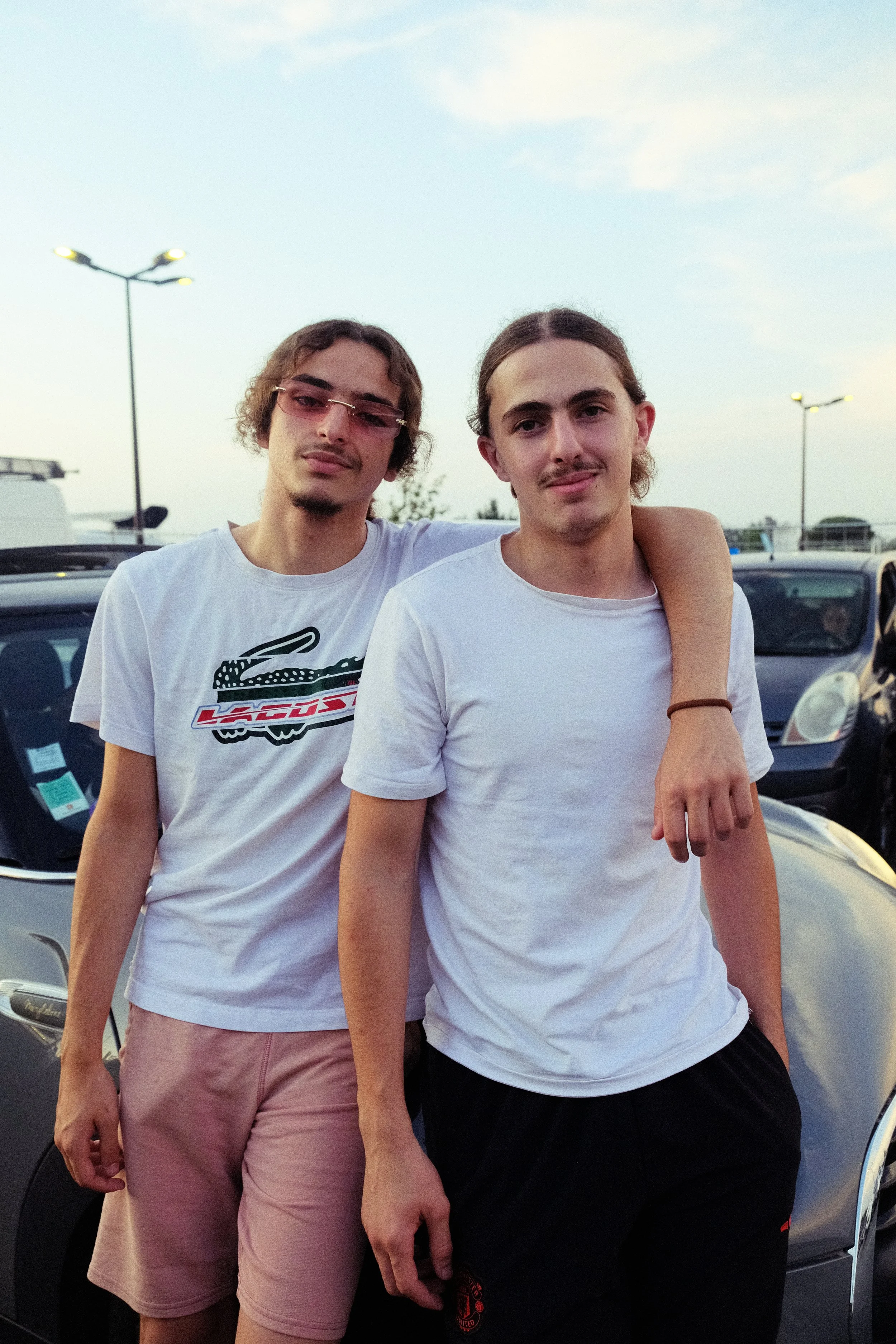
It is within this context that I spent a week in Noé, a small, quiet town in southwest France. It suffers neither from a glaring lack of resources nor from a stigmatized image. There, I followed Ilias and his friends, teenagers and young adults whose families, mostly from immigrant backgrounds, have managed to build stable lives. These young people are neither marginalized nor “troubled” in the strict sense. Yet, over the days, a feeling settles in: a form of quiet weariness, a freedom that goes in circles.
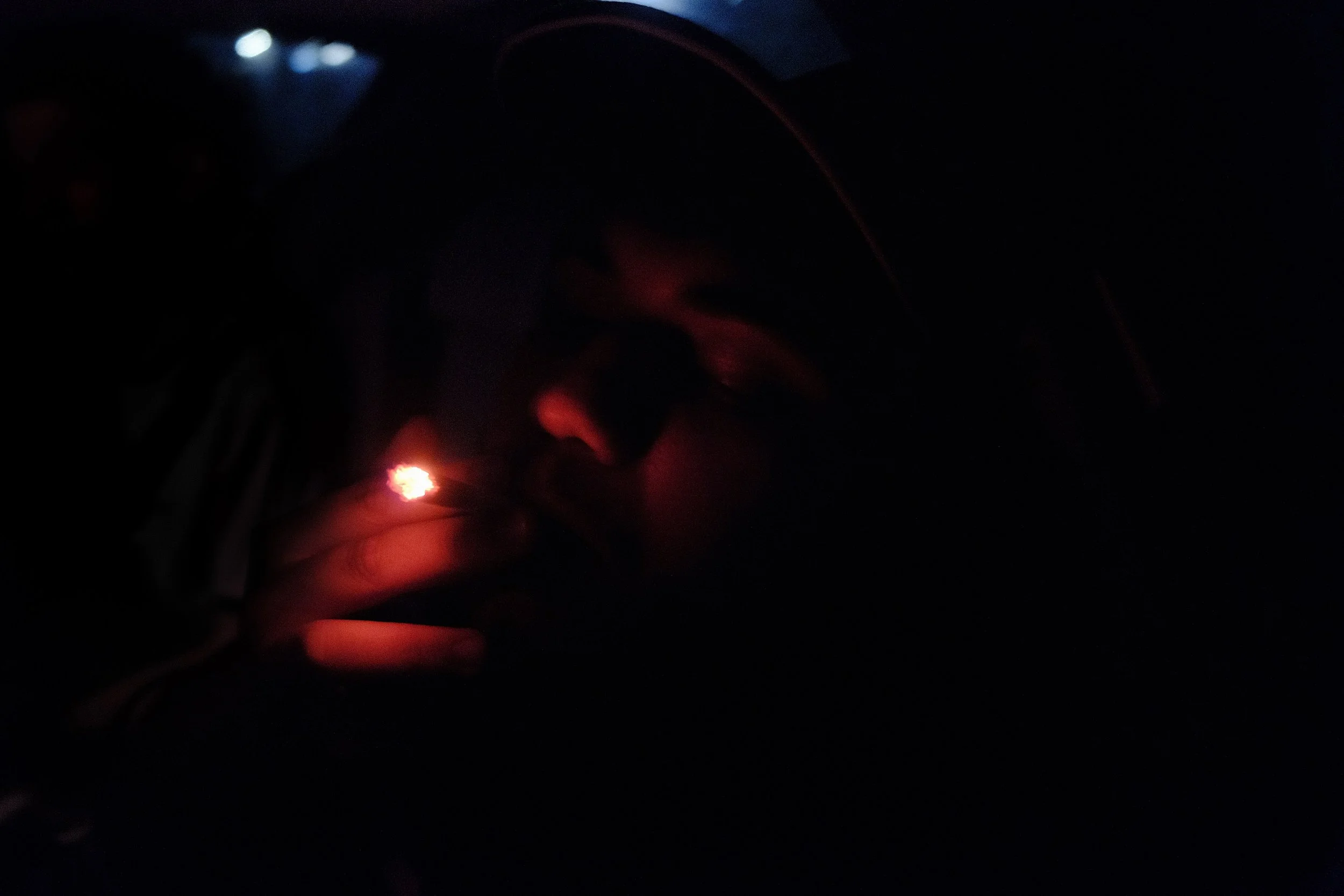
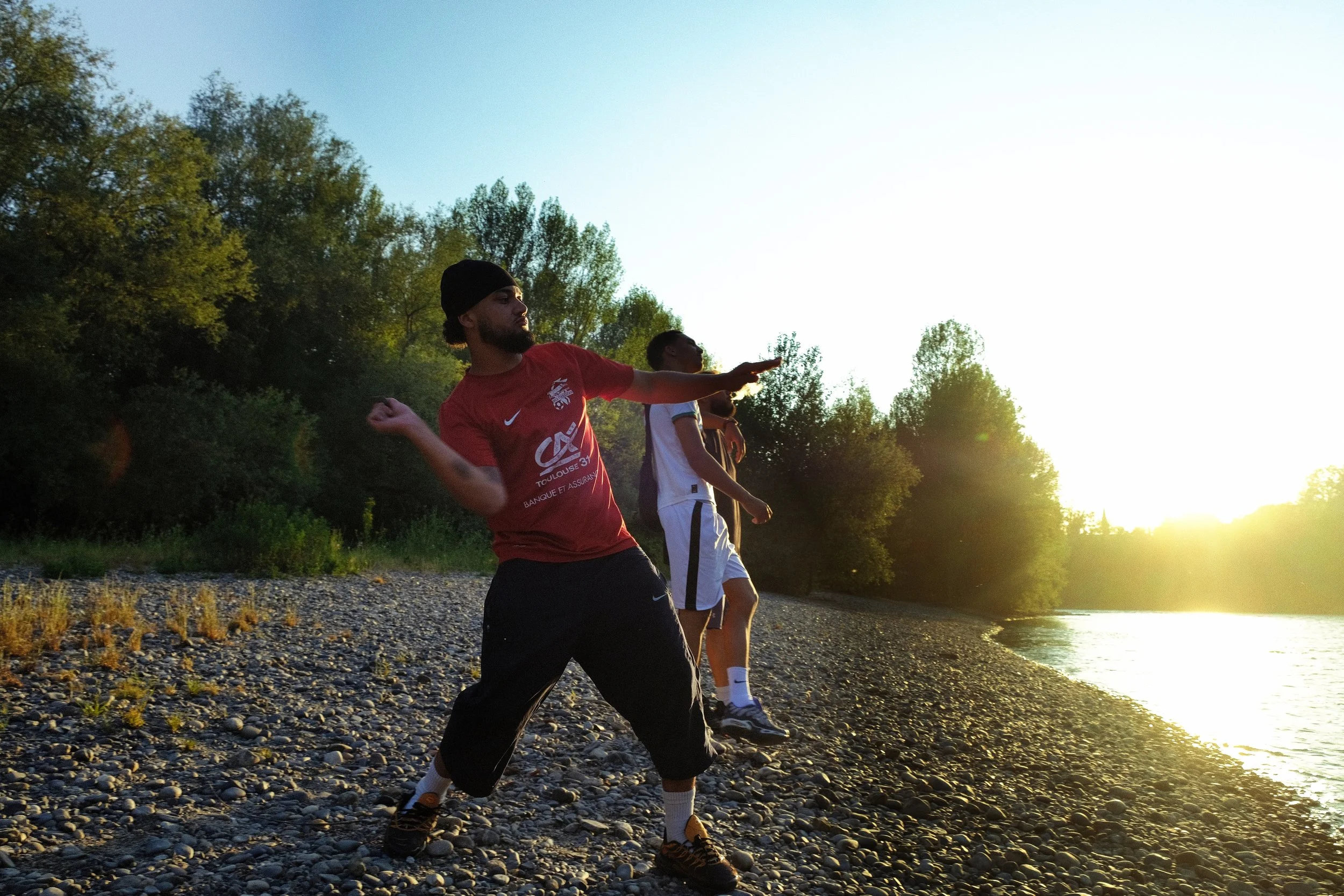
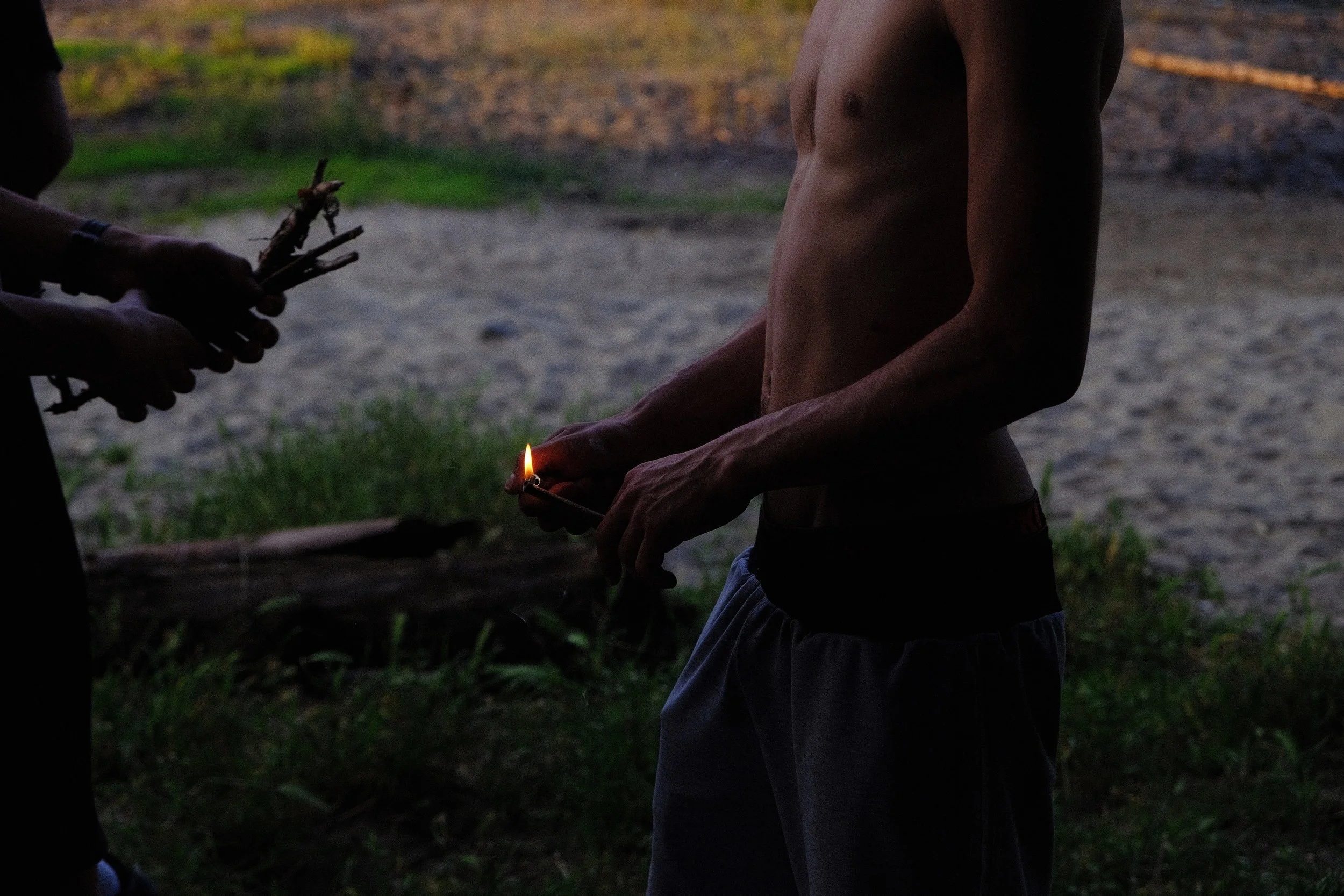
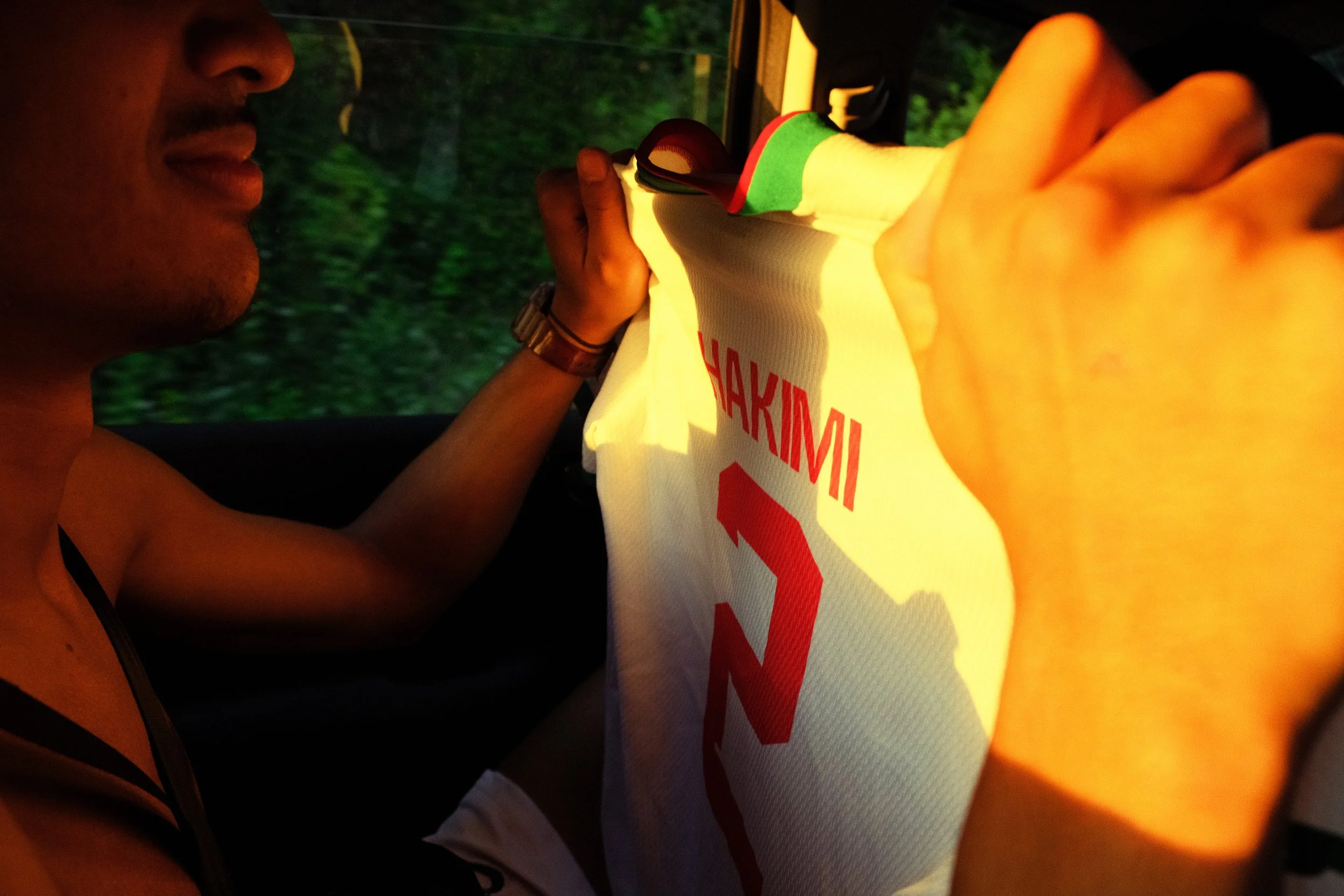
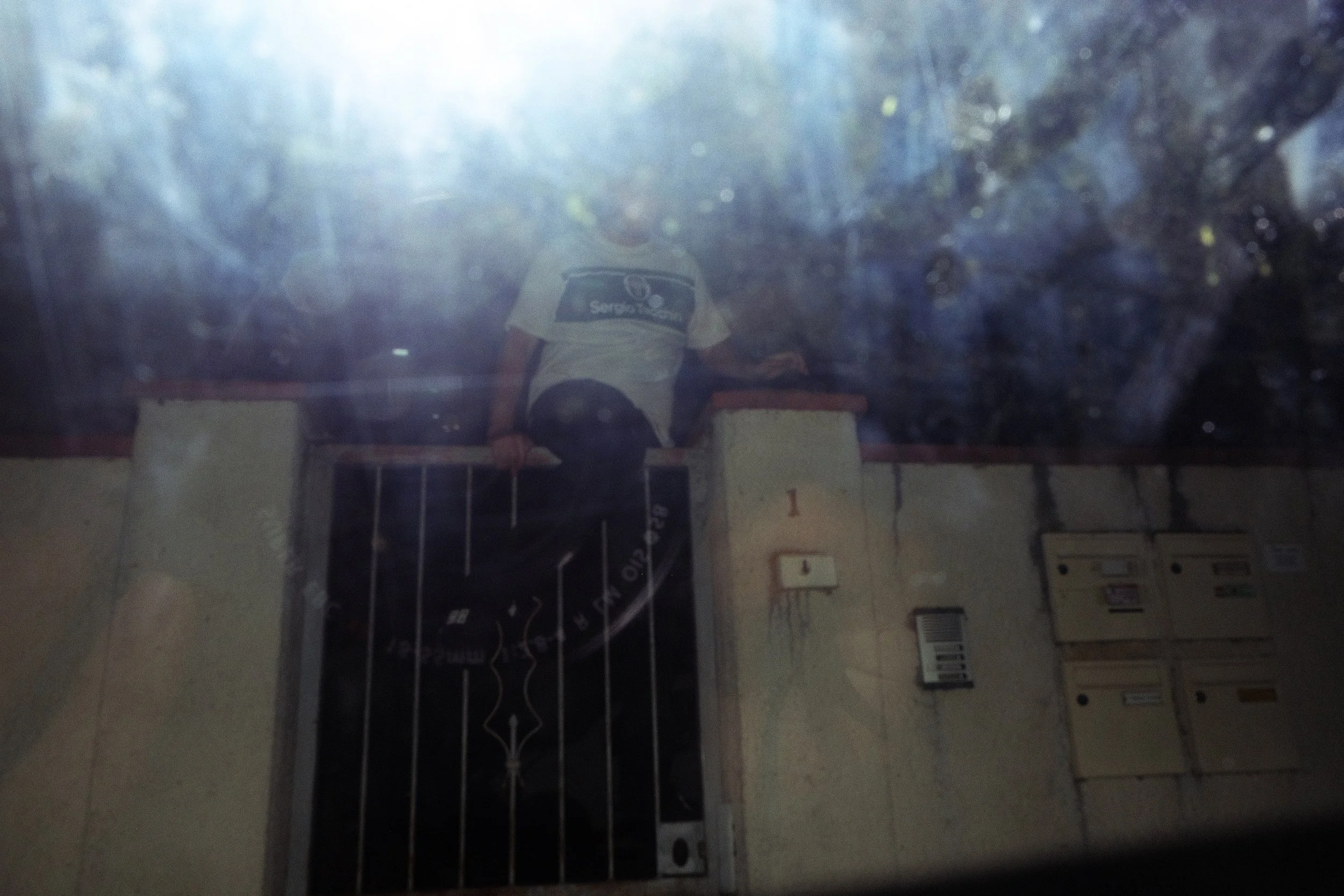
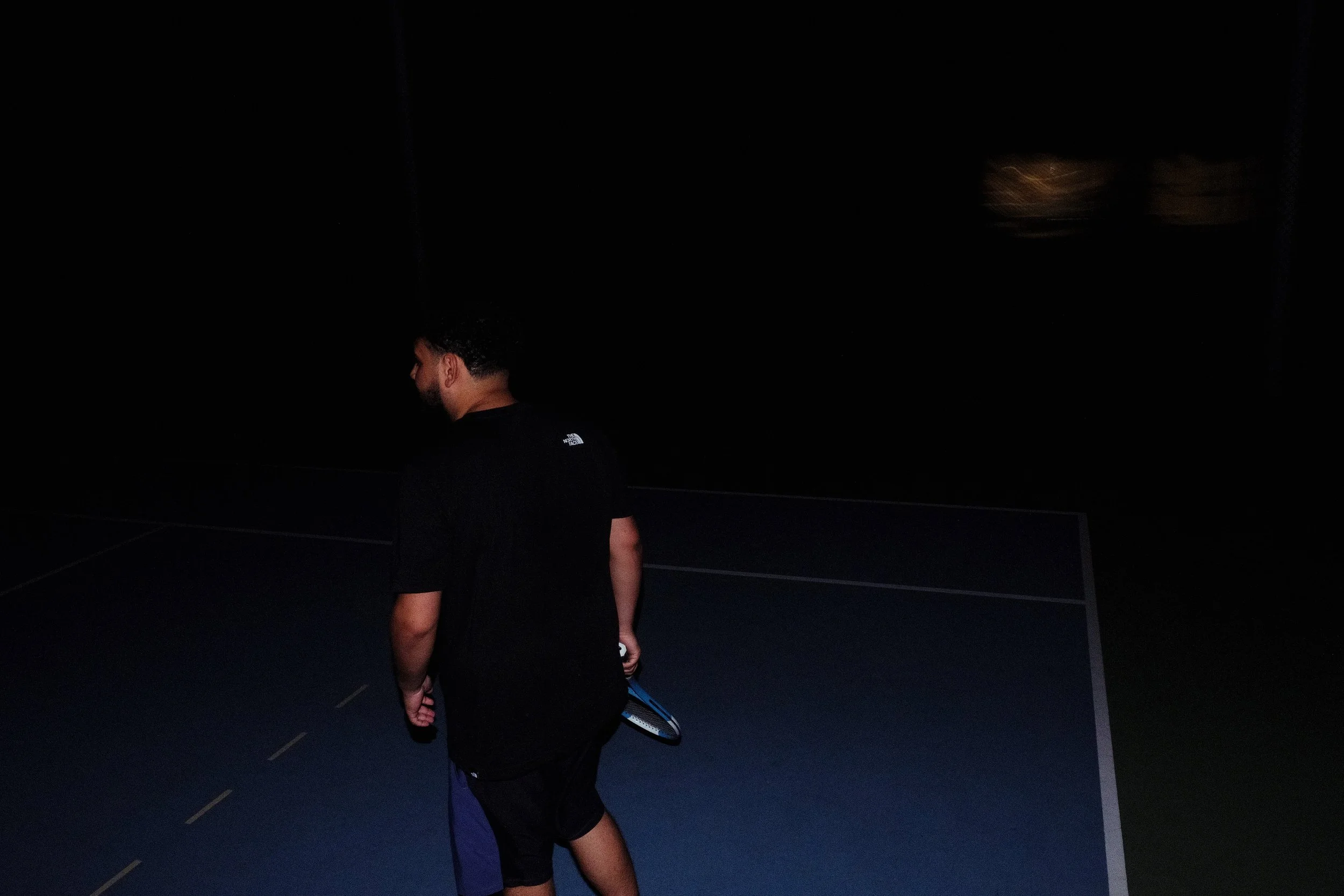
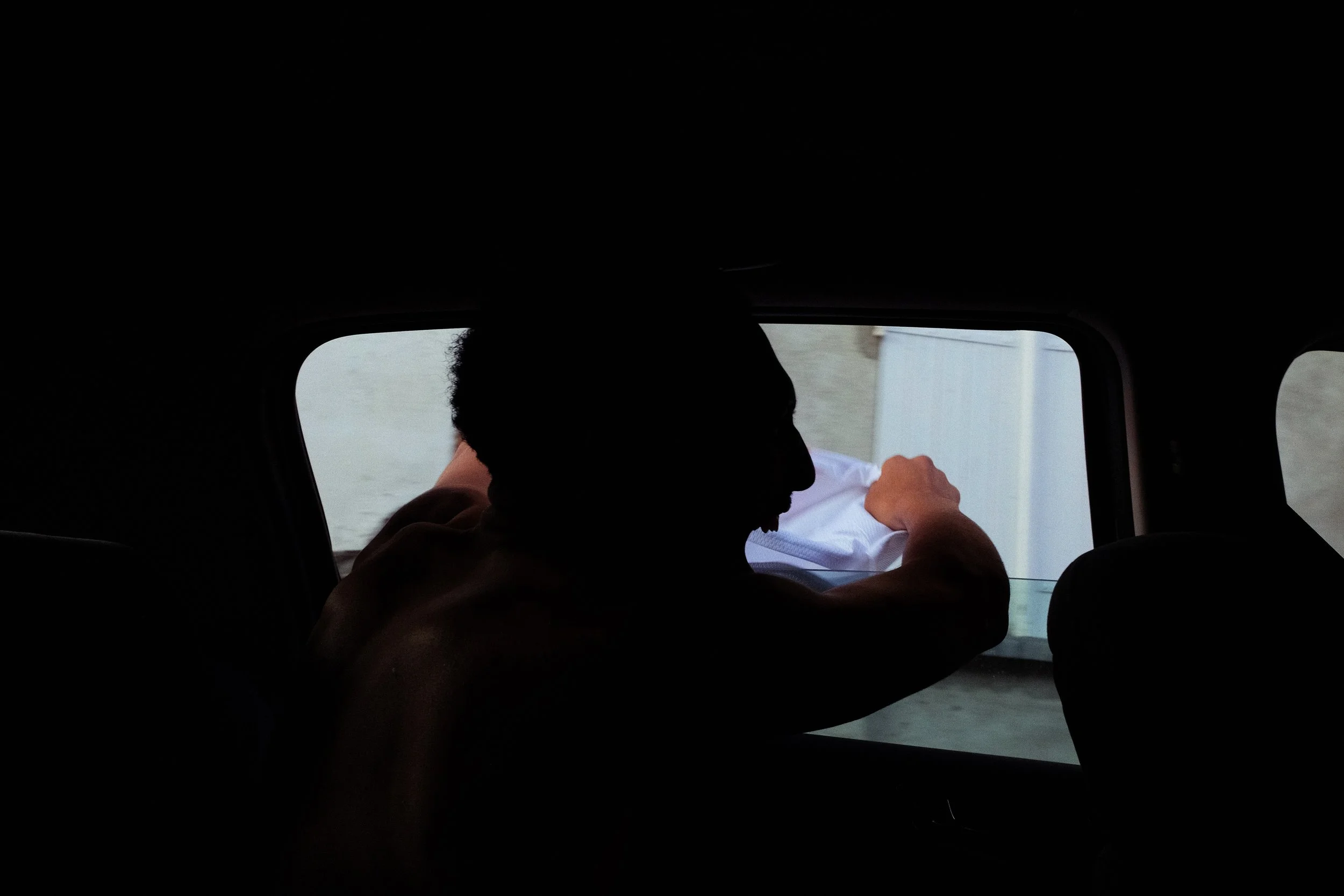
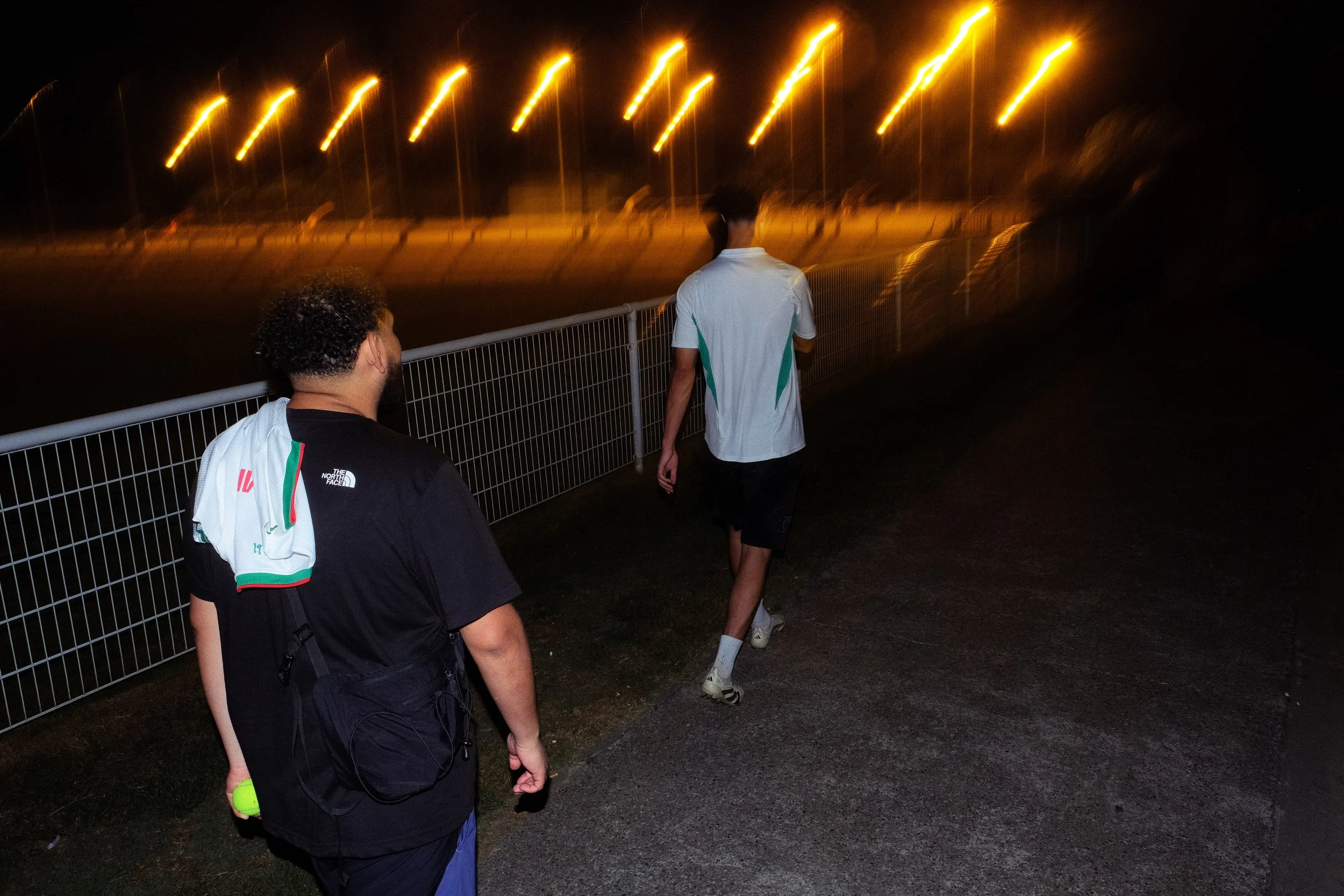
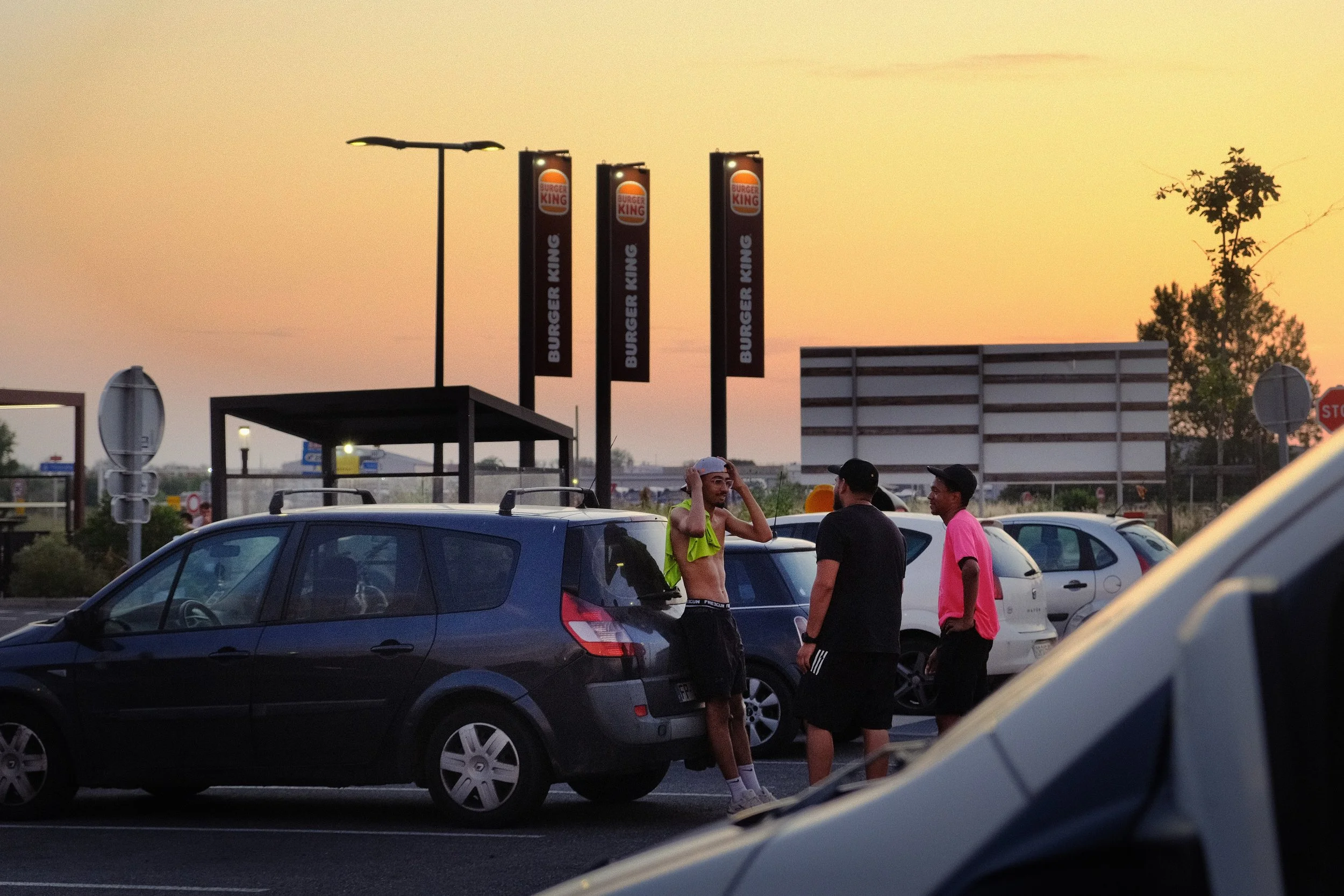
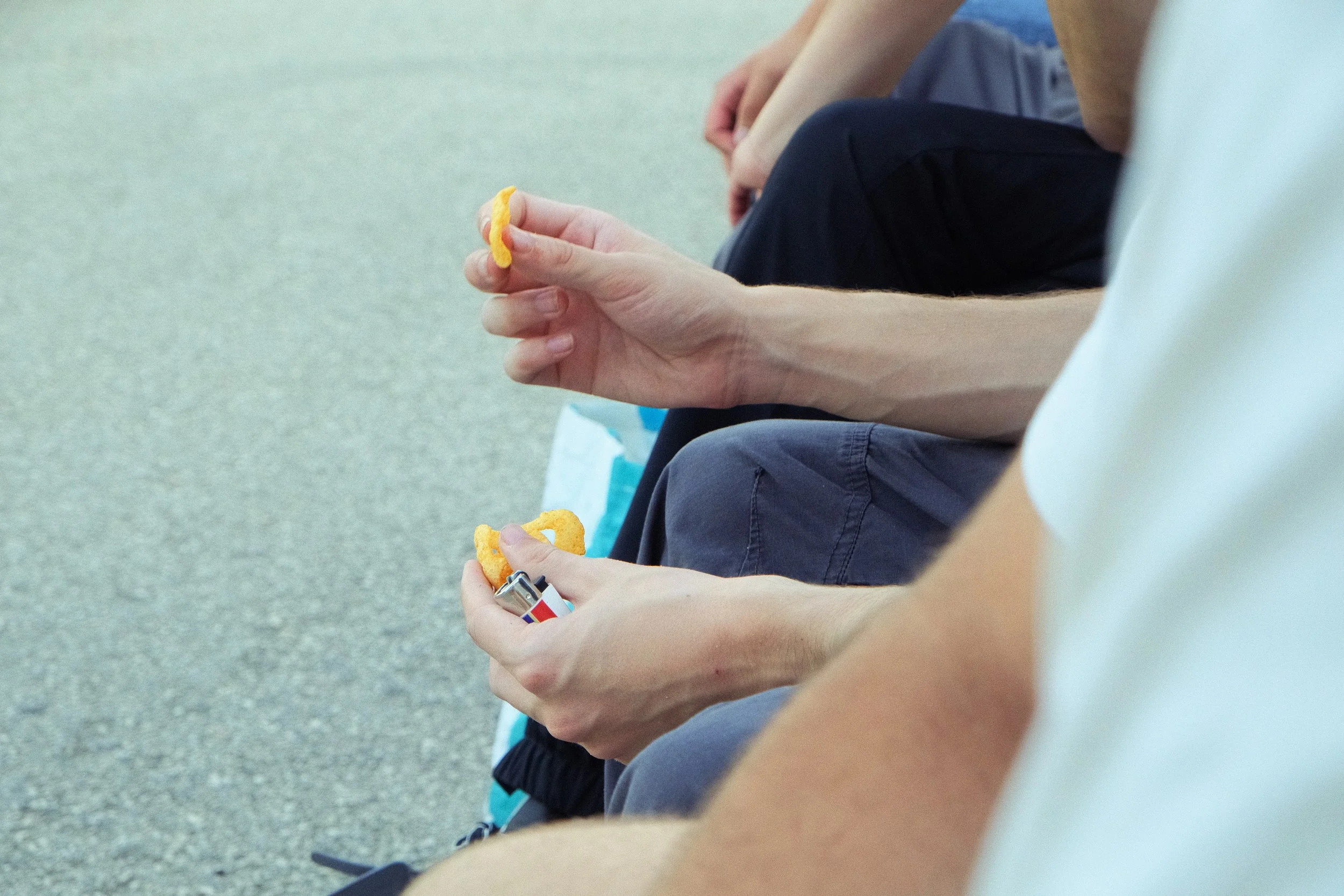
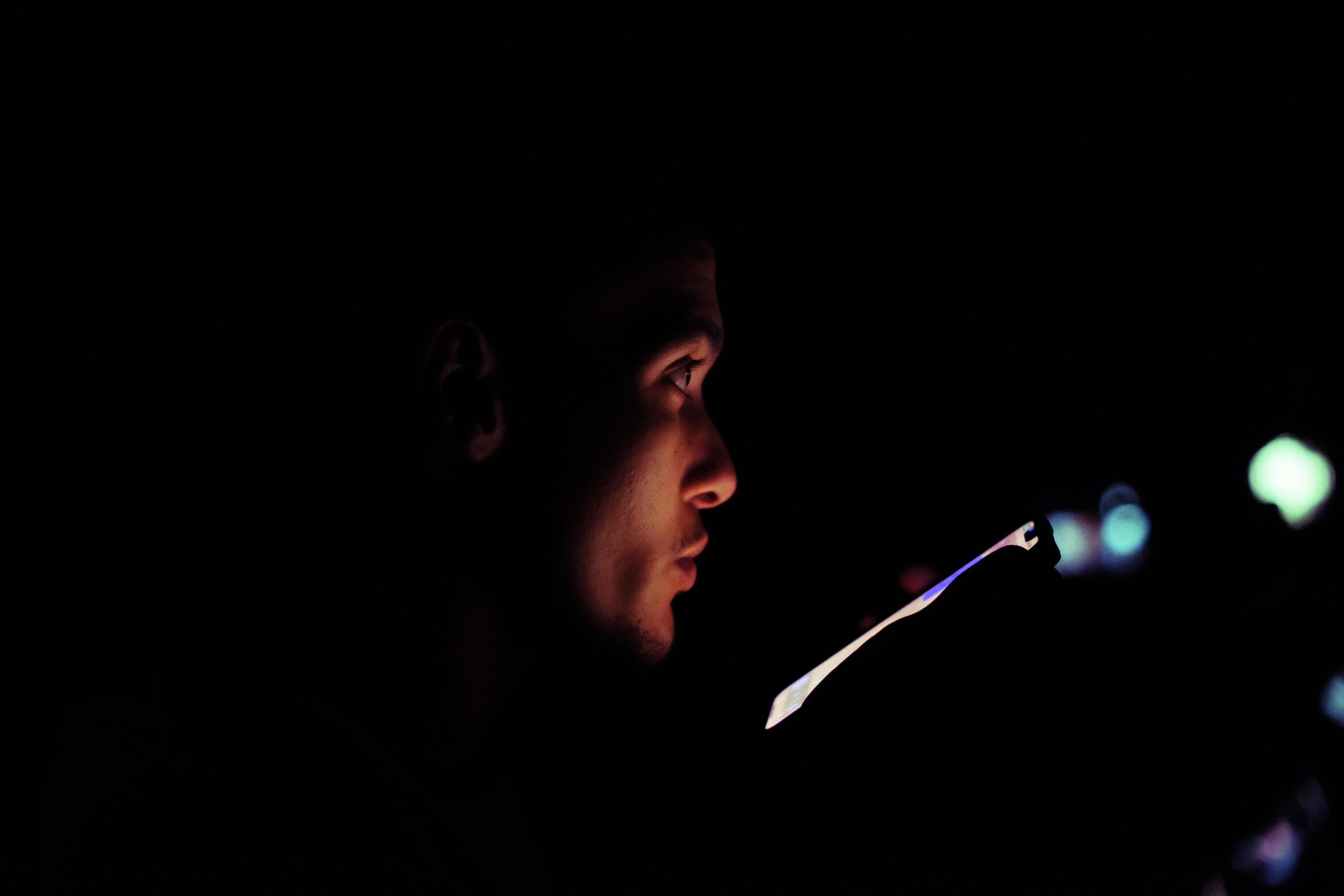
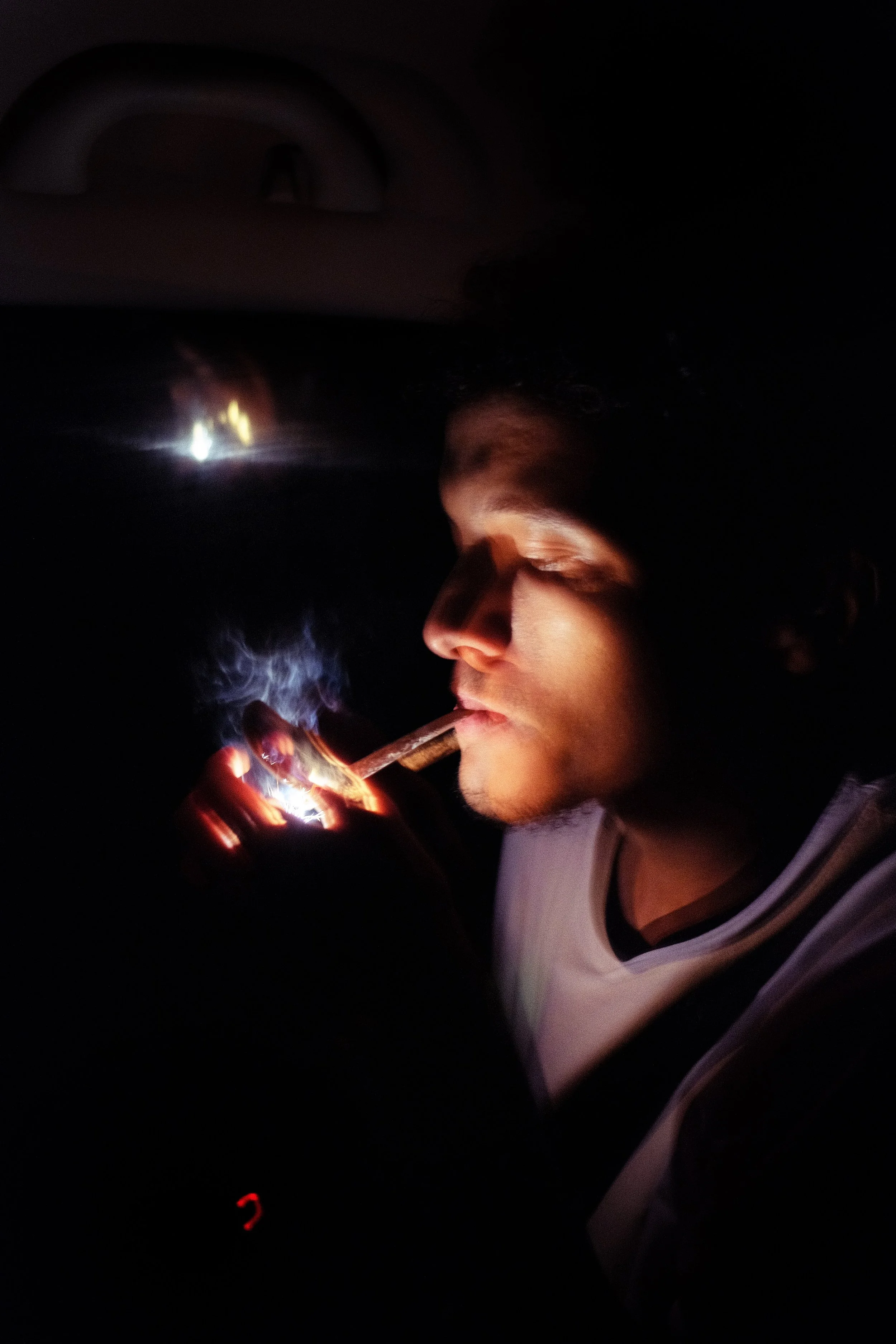
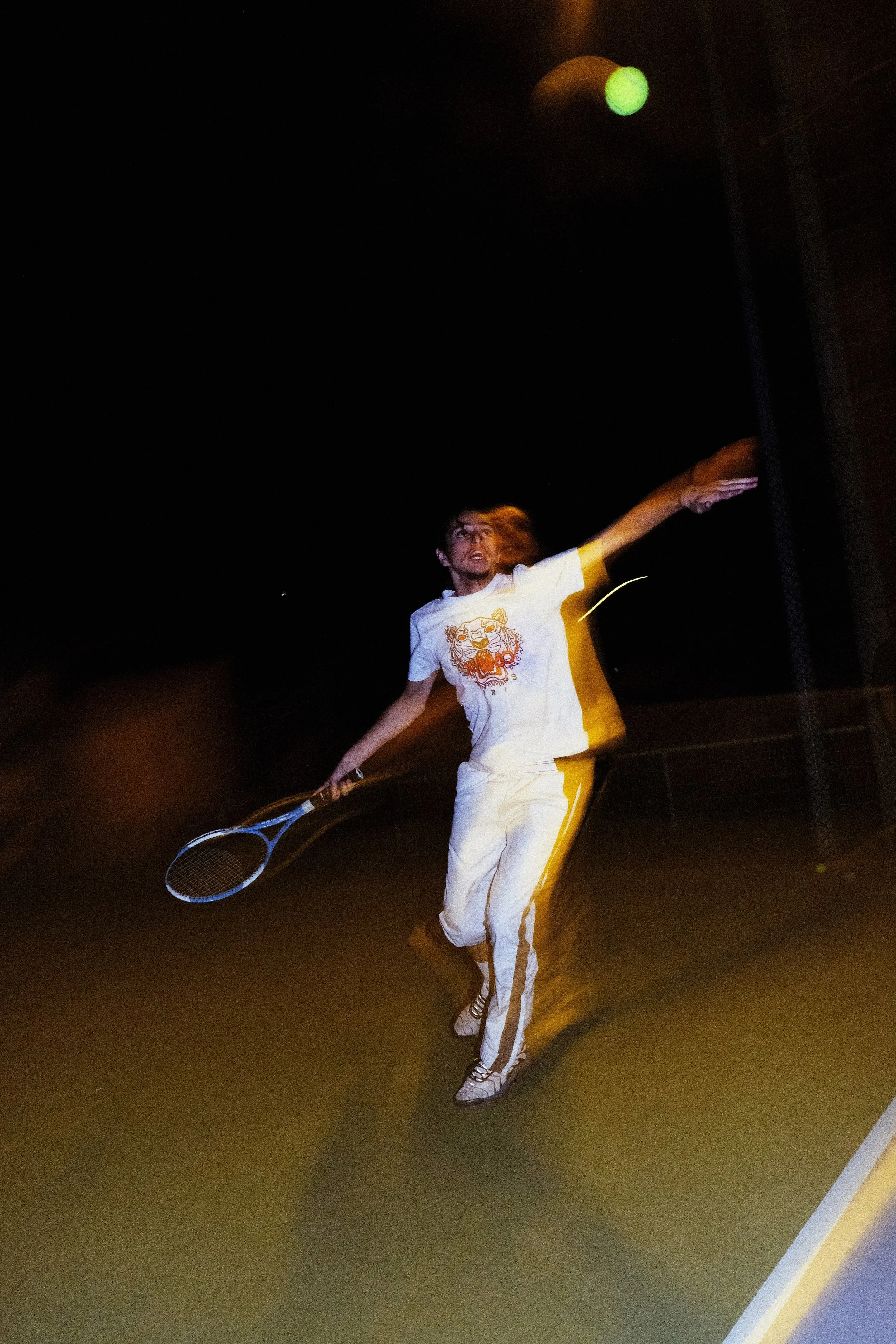
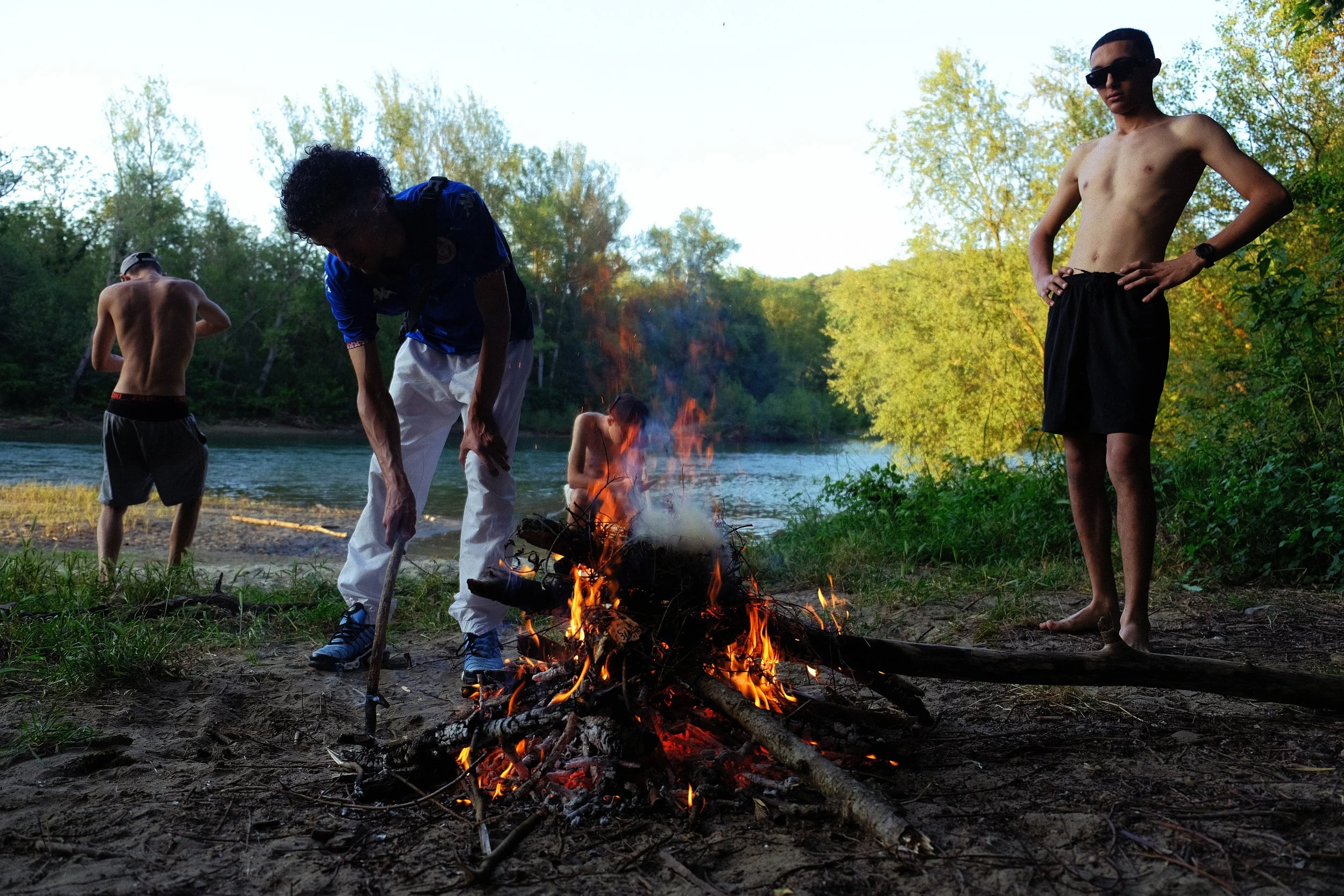
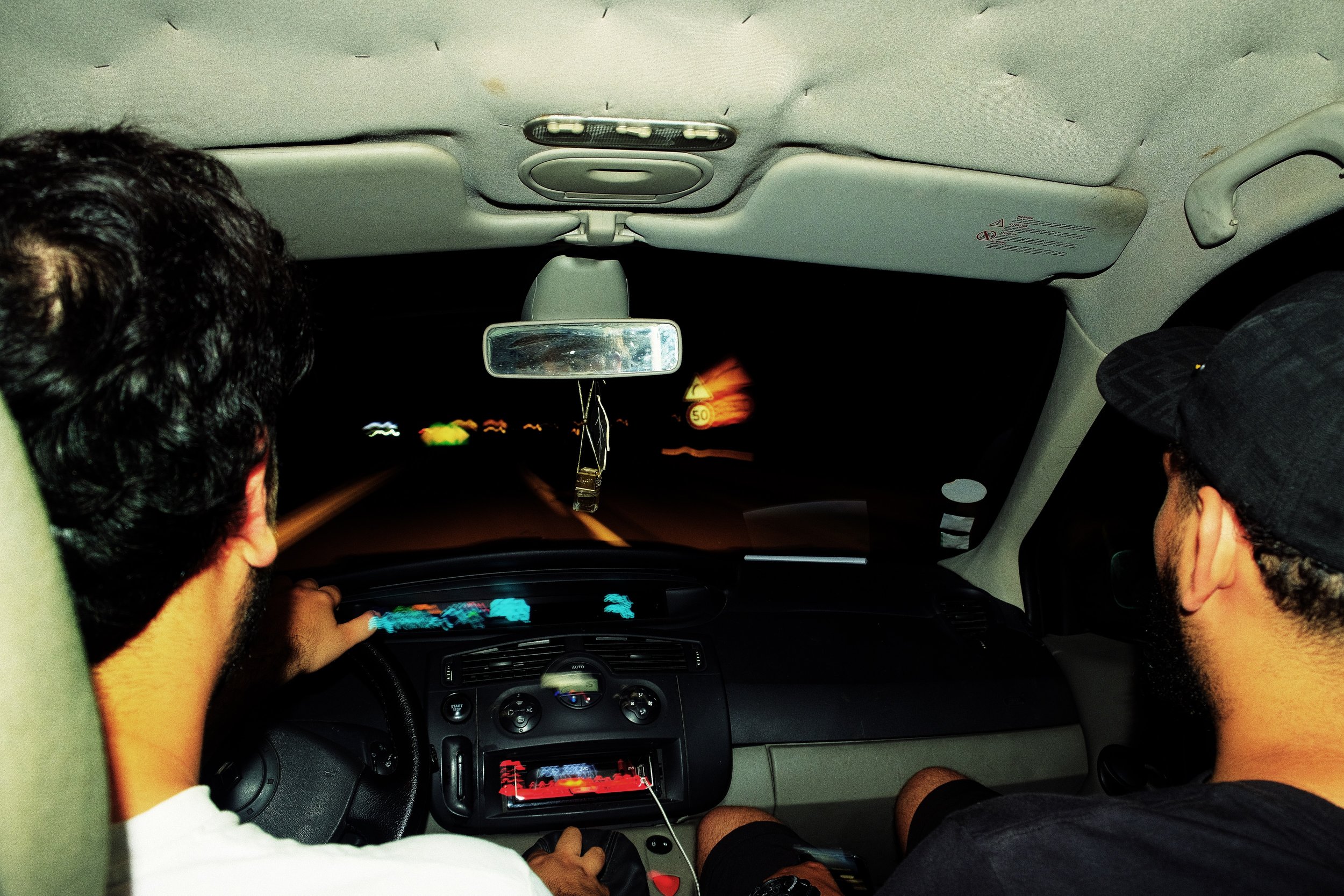
During this week of vacation, I watched them live outdoors: driving around, smoking, hanging out, talking, and sometimes drinking gestures that seem trivial at first glance but that reveal a blurred relationship to time and to oneself. Ordinary gestures, yet ones that also express a need to breathe, to create a space of one’s own, in a world where social and economic pressure weighs on shoulders early. Here, it is less visible than in big cities, but it exists diffusely.
What I wanted to show through this series are universal moments, captured in the looseness of vacation time. A youth that, between family heritage and contemporary realities, navigates an in-between space, neither lost nor fully assured, searching for its own rhythm.